Stop Treating Your Good Stuff Like It Lives in a Museum
There's a particular kind of buyer's remorse that doesn't kick in after a bad purchase. It kicks in after a great one.
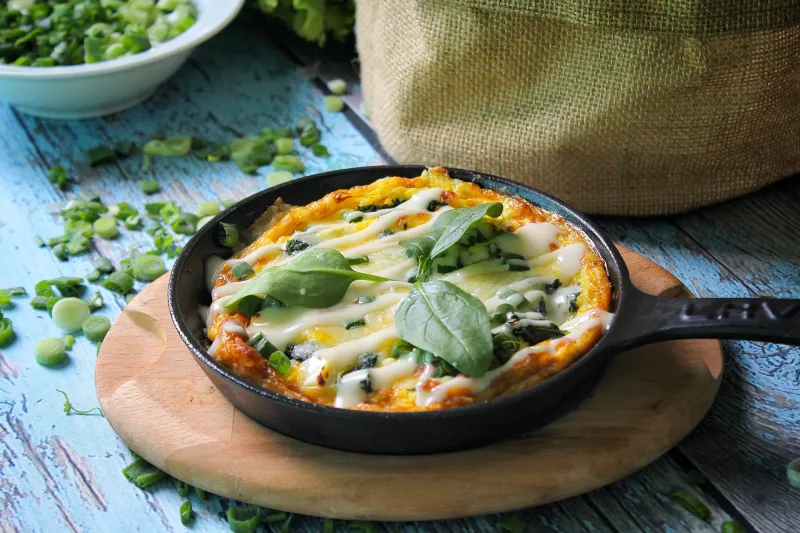
You spend real money on something genuinely well-made — a chef's knife forged from high-carbon steel, a waxed canvas bag built to last decades, a cast iron skillet that could theoretically outlive your grandchildren. You bring it home. You unwrap it carefully. You set it on the counter or hang it on the hook or slide it onto the shelf.
And then you... don't use it.
Not really. Not the way you imagined when you were reading the reviews at midnight and convincing yourself this was a responsible, values-aligned purchase. Instead, you reach past it for the cheap backup. You save the good thing for a special occasion that somehow never quite arrives.
If this sounds familiar, you're not alone — and you're not weird. You've just stumbled into one of the stranger psychological traps of conscious consumerism.
The Scarcity Mind at Work
Here's what's actually happening: most of us grew up in households where "the good stuff" was cordoned off. The china that only came out at Thanksgiving. The living room furniture nobody was allowed to sit on. The towels in the guest bathroom that guests were never supposed to use.
These weren't just quirks. They were survival strategies for families who knew that replacing things cost money they might not have. Protecting nice things made sense when nice things were rare and fragile and unlikely to be replaced.
That logic got baked into a lot of us. And when we finally invest in something of genuine quality, our brains fire up that same old script: protect it, preserve it, save it.
The cruel irony is that this instinct — the one trying to honor the value of your purchase — is exactly what robs you of that value entirely.
The Paradox of the Too-Nice Thing
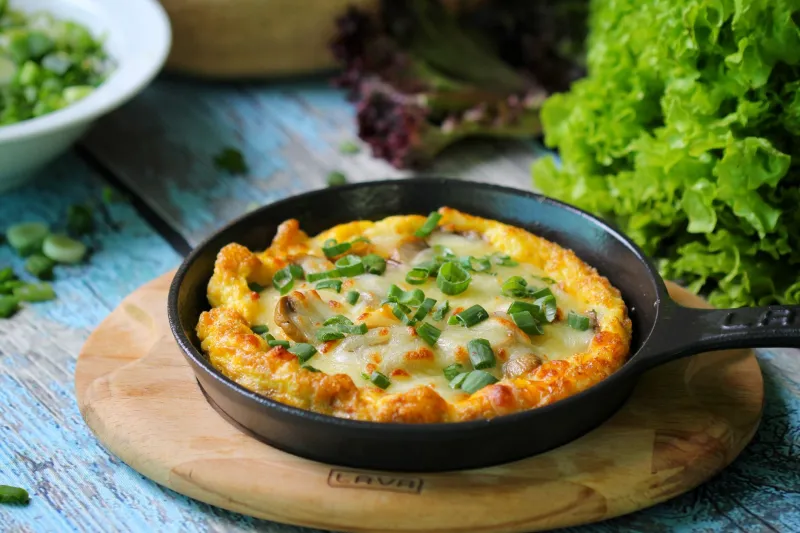
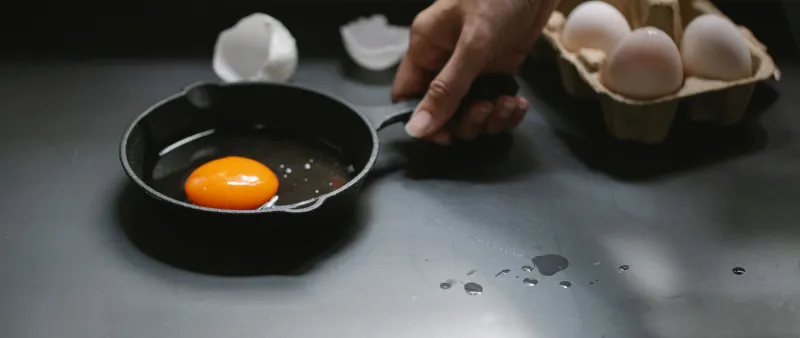
Let's be honest about what "saving it for special occasions" actually means in practice. It means the cast iron skillet sits in the cabinet while you scramble eggs in a warped nonstick pan. It means the beautiful leather notebook stays pristine on your desk while you scribble grocery lists in a free notepad from a conference you attended in 2019. It means the boots sit in the box while you wear the same tired sneakers that hurt your back.
At some point, the thing you bought to improve your daily life becomes a source of low-grade stress. You feel guilty when you do use it (what if you scratch it?). You feel guilty when you don't (what a waste). The object that was supposed to simplify your life now has its own emotional overhead.
That's not what buying for life is supposed to look like.
What Durable Goods Are Actually Designed For
Here's the reframe that changes everything: genuinely high-quality products aren't fragile. They're the opposite of fragile. That's the whole point.
A well-made cast iron skillet is designed to be used over an open fire, scraped with metal spatulas, and passed down through generations. A quality leather bag develops a patina precisely because you use it — that worn-in look isn't damage, it's the product becoming more itself over time. A solid wood dining table that gets a few scratches from family dinners isn't ruined. It's becoming an heirloom.
The manufacturers and craftspeople who build these things aren't hoping you'll store them in a climate-controlled room. They built them to take a beating and come out the other side looking better for it. When you treat a durable product like a museum piece, you're not respecting its quality — you're misunderstanding it.
Use It Until It Has a Story
There's a concept in Japanese aesthetics called wabi-sabi — finding beauty in imperfection and the natural wear of time. You don't have to fully subscribe to the philosophy to borrow the central idea: things that are used, that carry marks of a life lived, are often more beautiful than things kept pristine under glass.
The knife that's been sharpened a hundred times and has a slight hollow in the blade from years of use. The leather wallet so broken-in that it folds open in exactly the shape of your hand. The wool blanket that's been through camping trips and sick days and movie nights on the couch.
These aren't diminished objects. They're objects that have become part of a story. And that story is the whole point of buying well in the first place.
Practical Ways to Break the Spell
If you're the type who needs explicit permission to use your own stuff, here it is. But a few practical nudges can also help rewire the habit:
Make it the default, not the exception. If you bought a nice everyday carry bag, make it the bag you grab every day — not just on days when you're trying to impress someone. The same goes for the good dishes, the quality pens, the well-made jacket. Default to the good thing.
Accept that use is not abuse. A scratch on a butcher block isn't failure. A scuff on leather boots isn't negligence. Wear is evidence of a life, not evidence of carelessness. Learn the difference between damage from misuse (leaving cast iron soaking in water) and natural wear from regular use (a small patina on the surface). One is a problem; the other is a feature.
Let go of the backup. One of the sneakier ways we avoid using good things is by keeping a cheap fallback option around. If you have both a nice chef's knife and a dull old beater knife in the drawer, you'll reach for the beater nine times out of ten. Remove the escape hatch. Donate the backup. Commit to the good thing.
Reframe the cost. If you spent $200 on a wallet and you use it every single day for fifteen years, you paid about $0.04 per day. That's an extraordinary deal — but only if you actually use it. The purchase only makes financial sense in motion.
Living With Your Choices
The whole philosophy behind buying for life isn't about accumulating a collection of precious, untouchable objects. It's about building a daily life surrounded by things that work well, last long, and ask nothing of you except to be used.
The scarcity mindset that tells you to protect the good stuff was born from a world where good stuff was fragile and irreplaceable. But the products worth buying today — the ones built from real materials by people who care about craft — aren't fragile. They're waiting to be lived in.
So use the good knife. Wear the nice boots in the rain. Put coffee in the beautiful mug on a Tuesday morning just because it's Tuesday.
That's not being reckless with something valuable. That's finally getting what you paid for.