Nobody Told Me This Would Become a Family Treasure: The Surprising Objects That Outlive Their Owners
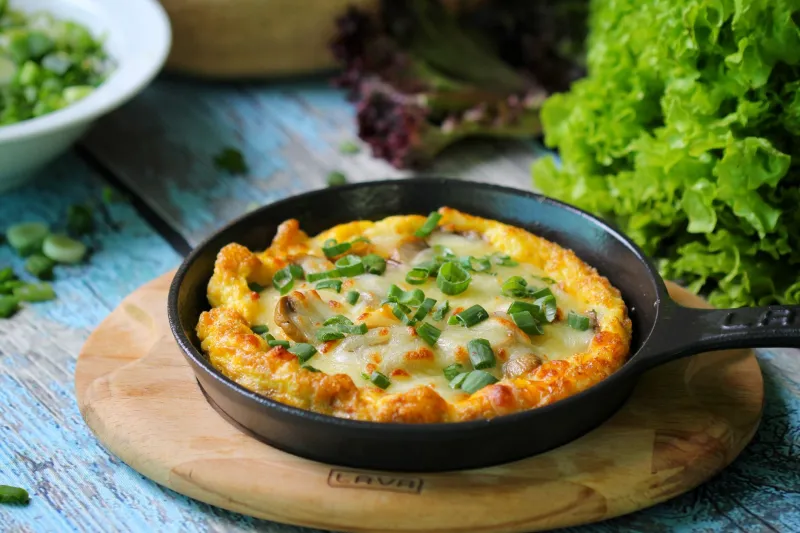
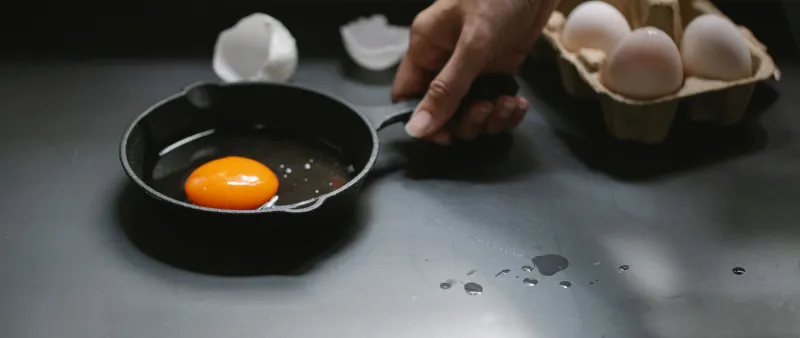
There's a cast iron skillet sitting on a stove in Asheville, North Carolina that has cooked somewhere in the neighborhood of 40,000 meals. Its owner, a retired schoolteacher named Donna, can't tell you exactly when her mother bought it. She thinks it was sometime in the late 1950s. What she can tell you is that it came with her when she left home at 22, fed her three kids through the 80s, and now gets pulled out every Sunday morning by her youngest daughter, who drove four hours to claim it after Donna moved to a smaller place last spring.
Nobody marketed that skillet as an heirloom. There was no heritage branding, no limited-edition packaging, no influencer campaign about generational cooking. It was just a pan. A good one.
That's the heirloom paradox: the objects that end up mattering most to families across generations are rarely the ones designed to matter. They're the ones that were simply built well enough — and used lovingly enough — to stick around long after everyone assumed they'd be replaced.
The Accidental Legacy
We tend to think of heirlooms in a pretty narrow way. Grandmother's china. A grandfather clock. The jewelry box nobody touches but everyone knows not to throw away. These are announced heirlooms — objects that arrived with a sense of ceremony and stayed through sheer social pressure.
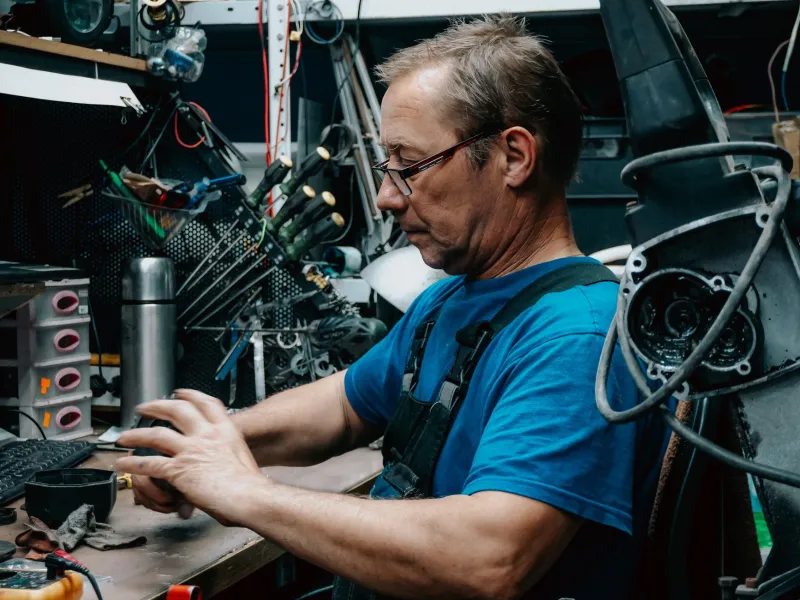
But talk to people about the objects they've inherited that they actually use, and a different list emerges. Leather-handled woodworking tools passed from father to child. A mechanical watch that still runs perfectly after 35 years of daily wear. A canvas rucksack that's been on three continents and two generations of road trips. A hand-forged chef's knife that takes an edge like the day it was made.
None of these things were sold with the promise of legacy. They just refused to fall apart.
There's a quiet but powerful shift that happens when an object crosses a certain threshold of age and use. It stops being a product and starts being a record — of meals made, of work done, of mornings and road trips and ordinary Tuesday evenings that, in retrospect, weren't ordinary at all.
What Makes Something Worth Keeping
Not every old thing earns that status. Your parents' VCR is old. So is the plastic salad spinner that's been warping in the back of the cabinet since 2003. Age alone doesn't do it.
What separates the objects that become meaningful from the ones that just become clutter comes down to a few specific qualities.
Material integrity. The things that last are usually made from materials that age well rather than just aging. Cast iron develops seasoning. Leather develops patina. Solid wood develops character. These aren't just poetic descriptions — they're functional improvements. A well-seasoned cast iron pan is more non-stick than it was new. A broken-in leather tool roll holds its shape better than the day it shipped. The material rewards use instead of punishing it.
Repairability. A mechanical watch can be serviced indefinitely. A quality pair of boots can be resoled. A hand-stitched canvas bag can be restitched. The objects that survive decades are almost always the ones that can be brought back from the edge — not because they never fail, but because they can be fixed when they do. That repairability is also what makes them giveable. You can hand down something you've maintained. You can't hand down something you've used up.
Functional simplicity. The longer you look at the objects that outlast their owners, the more you notice how few moving parts they have — conceptually, if not literally. A good chef's knife does one thing. A cast iron skillet does a handful of things. A canvas bag holds stuff. These objects don't become obsolete because they were never chasing a trend in the first place. They solve a human problem that hasn't changed in a hundred years.
The Emotional Physics of Long Ownership
There's also something harder to quantify happening over time — something closer to emotional physics than product design.
Marcus, a carpenter in Portland, Oregon, still uses a set of chisels his grandfather bought in the 1960s. He'll tell you pretty quickly that they're not the sharpest tools he owns. He has newer chisels with better steel. But the old ones come off the wall first, almost every time.
"It sounds weird," he says, "but I feel like I work better with them. There's something about knowing they've made ten thousand cuts already. Like the work is easier because it's been done before."
That's not nostalgia talking — or not only nostalgia. Long ownership changes the relationship between a person and an object. You learn its quirks. You adjust to its weight, its balance, its particular way of doing things. That knowledge lives in your hands and your muscle memory in ways that are genuinely hard to replicate with something new.
And when you pass that object on, you pass on some of that knowledge too. Not in any mystical sense — but in the sense that the object itself has been shaped by use in ways that make it easier for the next person to use well.
Buying With the Long View (Without Overthinking It)
Here's the thing: you don't have to approach every purchase like you're curating a museum collection. That way lies paralysis, and probably a lot of expensive mistakes.
But it's worth asking a different set of questions than the ones consumer culture usually encourages. Instead of Is this a good deal right now?, try Would I want this in 20 years? Instead of Is this stylish?, try Is this made from something that improves with time? Instead of Is this the newest version?, try Can this be repaired when it breaks?
None of those questions require you to spend more money automatically. Plenty of genuinely durable objects are modestly priced — Lodge cast iron, Filson canvas bags, Victorinox kitchen knives, Timex mechanical watches. What they share isn't a luxury price tag. It's a design philosophy that prioritizes longevity over novelty.
The irony is that the objects most likely to become meaningful to the people who come after you are also the ones most likely to save you money in the meantime. A pan you cook in for 40 years doesn't cost more than four pans that each last a decade. It costs less, works better, and ends up meaning something.
The Quiet Radicalism of Buying Well
Donna's skillet wasn't a statement. It was a pan. But somewhere in the decades between her mother buying it and her daughter loading it into a car in Asheville, it became something else — a thread connecting three generations of Sunday mornings, of kitchens that smelled like butter and cast iron and whatever was on the radio.
That's what intentional consumption can accidentally create. Not monuments. Not museums. Just objects that are good enough, honest enough, and durable enough to outlast the moment they were bought for — and become part of something larger than any purchase decision could have predicted.
Buy the pan. Use it. Take care of it. Let it surprise you.