What Grandma's Kitchen Taught Me About Buying Stuff That Actually Lasts
What Grandma's Kitchen Taught Me About Buying Stuff That Actually Lasts
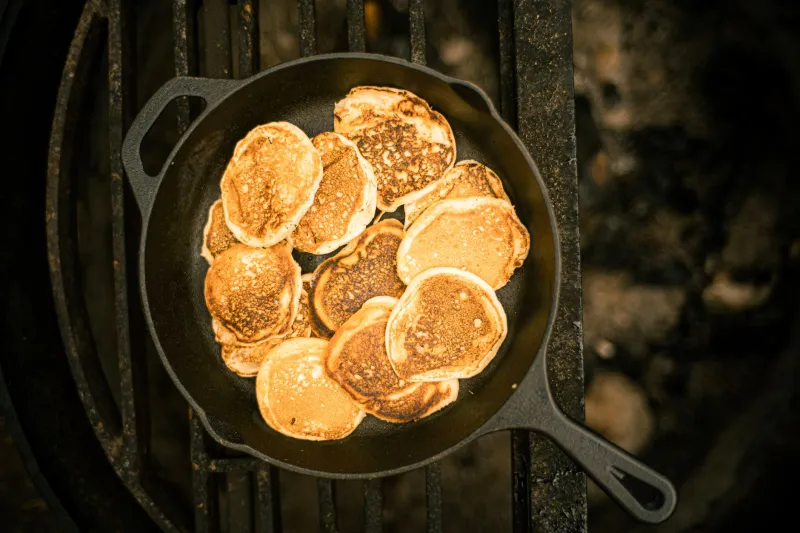
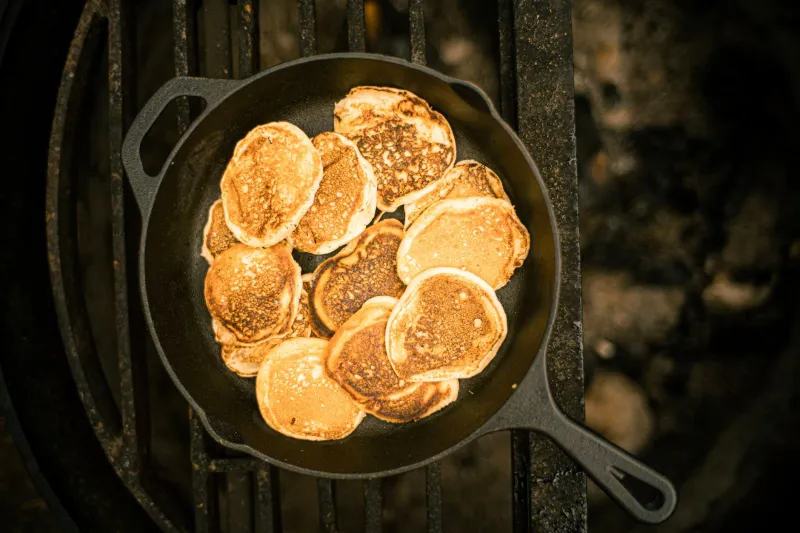
There's a cast iron skillet sitting on my aunt's stovetop in rural Ohio that is, by conservative estimate, about 70 years old. It belonged to her mother, who got it as a wedding gift sometime in the early 1950s. It has cooked thousands of breakfasts, survived multiple kitchen renovations, and shows zero signs of retiring anytime soon. Nobody talks about it like it's special. It's just... the pan.
That quiet durability — the kind that doesn't announce itself — is exactly what we've largely stopped designing into the things we buy. And yet the evidence of what's possible is sitting right there in family homes across America, waiting to be noticed.
The Attic Is a Museum You Actually Own
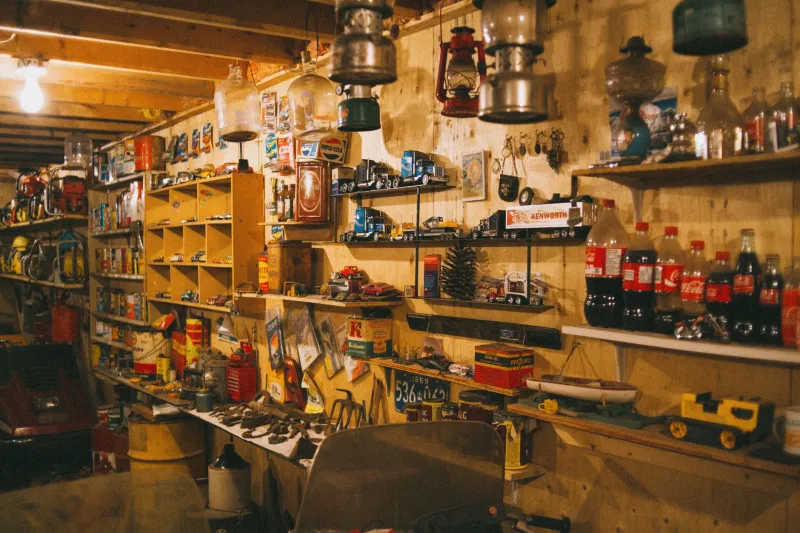
Most of us have access to a personal archive of product history and we rarely think to use it. The stuff tucked away in basements, passed down through estates, or still in active daily use after 40-plus years represents a real-world durability dataset that no lab test can fully replicate.
Product historian and material culture researcher Dana Holloway, who has studied American consumer goods extensively, puts it plainly: "Heirloom objects are essentially products that passed the ultimate quality test — time. They weren't designed to last forever consciously, in many cases. They just were built with materials and methods that happened to produce longevity as a byproduct."
That distinction matters. A lot of vintage goods lasted not because manufacturers were noble or environmentally conscious, but because the economics of production at the time made quality materials and skilled labor the practical default. Planned obsolescence wasn't yet a business model. Replacement parts were expected. Repair was normal.
What does that mean for us as shoppers today? It means we can reverse-engineer quality by studying what survived.
What Actually Made Old Stuff Last
Spend some time really looking at the objects in your family home that have endured — not just glancing at them, but examining them the way a buyer should. Here's what you'll typically find:
Solid, heavy materials. That old Craftsman wrench, the ceramic mixing bowl, the wool blanket from your grandmother's linen closet — they're all dense. Weight isn't always a proxy for quality in modern products, but in vintage goods it almost universally signals that manufacturers weren't cutting corners on raw materials.
Mechanical simplicity. The things that last tend to have fewer moving parts, fewer electronic dependencies, and fewer opportunities for something to fail. Your grandfather's manual can opener outlasted three electric ones for exactly this reason.
Repairability by design. Old furniture had screws you could actually access. Boots had soles that could be resoled. Watches had movements that a local jeweler could service. Repairability wasn't marketed as a feature — it was assumed.
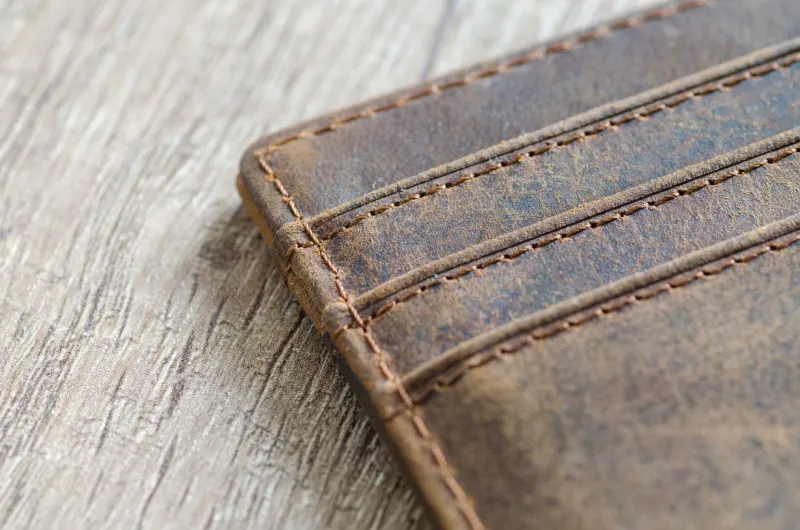
Consistent joinery and finishing. Look at the corners of old wooden furniture. Check the stitching on leather goods. Examine where metal parts meet. In items that have lasted, these junctions are tight, even, and clearly done with care. Inconsistent finishing is often the first sign of rushed production.
Applying the Inheritance Test Before You Buy
Here's a practical framework, inspired by what makes heirloom goods tick, that you can use when evaluating any significant purchase today.
Ask: Could this be repaired? Before buying, find out whether replacement parts exist, whether a local repair shop could service it, and whether the manufacturer offers any repair program. Brands that design for repairability — like those offering modular components or lifetime repair guarantees — are essentially betting on their own longevity. That's a good sign.
Ask: What is this actually made of? Marketing copy loves vague terms like "premium" and "professional grade." Dig past those. What specific materials are used? Is the wood solid or veneered particleboard? Is the stainless steel a recognized grade? Is the leather full-grain or bonded? Real quality materials are usually named specifically because they're worth naming.
Ask: Who made this and how long have they been doing it? Longevity in a brand often (not always) correlates with longevity in its products. A company that's been making the same type of item for 50 years has had time to refine its process. A brand that launched 18 months ago has not.
Ask: Does this look like something worth passing down? This is the gut-check version of the inheritance test. Imagine this object in your home in 30 years. Does it have the bones to get there? Is it timeless in design or trendy in a way that'll feel dated? Trend-chasing products are almost never built to last — because they're not expected to.
The Brands Getting It Right Today
The good news is that the principles behind heirloom quality aren't lost — they're just less common and usually require more intentional searching.
Some cookware manufacturers still use the same sand-casting processes that made vintage cast iron legendary. Certain American workwear brands never abandoned the heavyweight canvas and bar-tacking that defined durable clothing decades ago. Small leather goods makers continue using full-grain hides and hand-stitched welt construction the way cobblers did a century ago.
These products typically cost more upfront. That's real. But the inheritance test reframes cost in an important way: if something lasts 30 years instead of 3, the math usually flips decisively in favor of the better-built item. Your grandma's skillet cost the equivalent of maybe $40 in today's dollars. It has been in service for seven decades. That's a pretty compelling cost-per-use argument.
Start Looking Differently at What You Already Own
Before your next big purchase, take a walk through your family home — or call a parent or grandparent and ask them what they still use that's really old. Ask them what they've had to replace constantly and what they've never had to think about. That conversation is free, and it's some of the most useful product research you can do.
The heirlooms in American homes aren't just sentimental objects. They're evidence. Evidence that durable, well-made things are possible — and that we should expect nothing less from what we bring into our lives today.
Buy things worth inheriting. Everything else is just clutter waiting to happen.